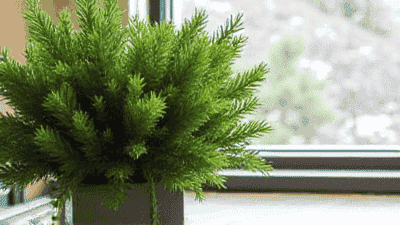
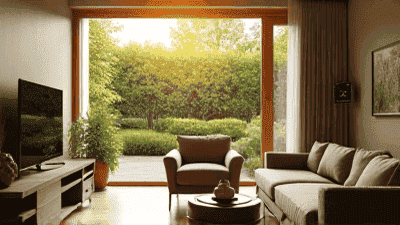
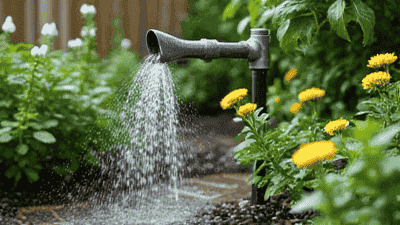
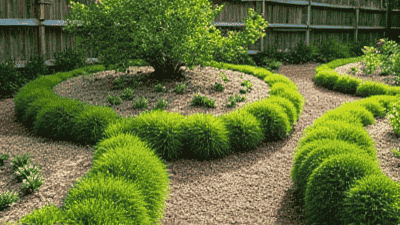
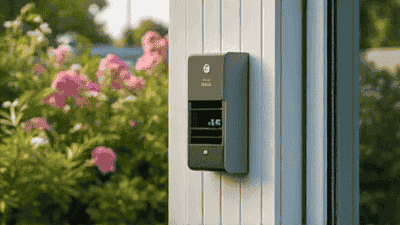
In today’s world, smart home technology isn’t limited to the indoors. With the rise of smart gardening tools and automation systems, it’s now possible to transform your outdoor space into a tech-savvy haven. A smart garden not only simplifies maintenance but also enhances the beauty and functionality of your outdoor area. From automated irrigation systems to smart lighting and soil sensors, there are countless ways to integrate technology into your garden.
The concept of a smart home has evolved from a futuristic dream to a practical reality, offering convenience, security, and energy efficiency. However, many homeowners face the challenge of integrating new smart home technology with their existing systems. Whether you have an older home with traditional wiring or a modern house with partial smart features, integrating new technology can seem daunting. The good news is that with the right approach, it’s possible to create a seamless smart home ecosystem that
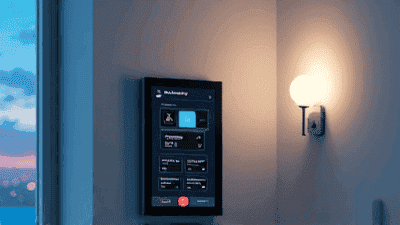
Smart home automation is revolutionizing the way we live, offering convenience, energy efficiency, and enhanced security. For those new to the concept, the idea of automating your home might seem overwhelming. But fear not! This beginner's guide will walk you through everything you need to know about smart home automation, from understanding the basics to choosing the right devices for your needs.
Smart home technology has revolutionized the way we live, offering convenience, efficiency, and enhanced security. At the heart of this transformation is Artificial Intelligence (AI), which has become a driving force in making homes smarter and more responsive to our needs. From voice assistants to automated security systems, AI is reshaping how we interact with our living spaces.
In recent years, smart home technology has transformed from a luxury for early adopters to a mainstream feature in modern homes. From voice assistants and smart thermostats to security systems and automated lighting, smart technology has become an integral part of how we live. But beyond the convenience and comfort it offers, smart home technology also has a significant impact on the value of a property.
Herb gardening is a rewarding activity that allows both novice and experienced gardeners to cultivate flavorful and aromatic plants. Herbs not only enhance your dishes but also offer various health benefits. However, successfully growing herbs requires understanding the nuances of different seasons, as each season offers unique challenges and advantages for planting and nurturing these plants.
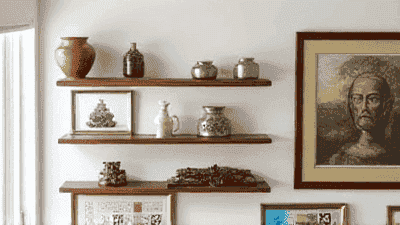
Collecting is a beloved pastime for many, offering a chance to discover unique items, connect with history, and showcase personal interests. Whether it is vintage postcards, decorative plates, action figures, or antique books, collectibles can add depth and character to your home. However, the challenge lies in how to display these treasures in a way that enhances your living space and tells the story behind each item.
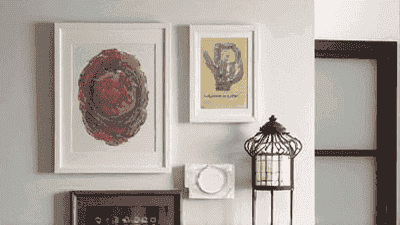
Home is not just a place; it is a reflection of who you are, a canvas that showcases your personality, interests, and experiences. One of the most effective ways to inject character into your living space is through the art and decorations that adorn your walls. Wall art can transform a bare room into a vibrant expression of your unique taste, making it feel more inviting and personal.
Gardening enthusiasts often find a special satisfaction in collecting and preserving seeds from their own plants. This process not only allows gardeners to save money but also helps ensure the continuity of their favorite varieties from year to year. Whether you are an experienced gardener or just starting, learning how to collect and preserve vegetable seeds can be a rewarding project that enhances your gardening experience.
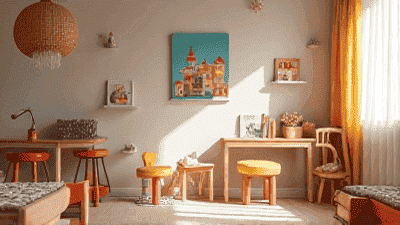
Creating a child's room is an exciting endeavor. It is a space where imagination flourishes, creativity blossoms, and comfort is essential. As a parent, you want to ensure that the room not only looks beautiful but also provides a safe environment for your child to explore, learn, and grow.